
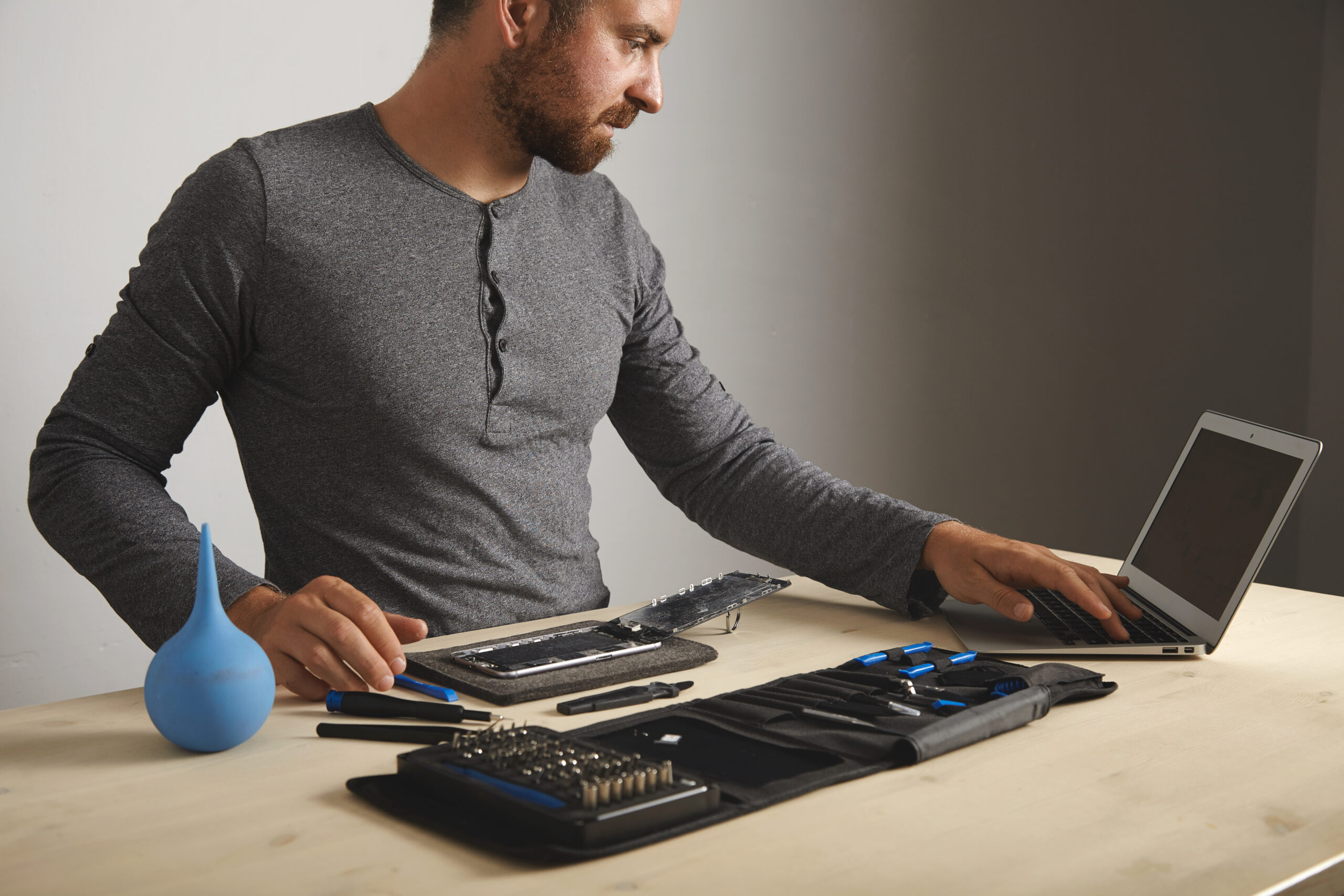
Laptops have become essential for work, study, and entertainment. When they stop working properly, it can feel like your entire routine is on pause. The good news is that many laptop issues can be diagnosed and fixed without replacing the device.
This guide explains everything you need to know about laptop repair, including common problems, troubleshooting steps, repair options, and how to keep your laptop running smoothly for years.
What Is Laptop Repair?
Laptop repair refers to diagnosing and fixing hardware or software issues that affect a laptop’s performance. These problems can range from simple software glitches to complex hardware failures.
Professional technicians and experienced users both perform laptop repair, but the approach depends on the issue. Some fixes are quick, while others require specialized tools and expertise.
Common Laptop Problems and Their Causes
Understanding common issues helps you identify the problem early and decide whether you can fix it yourself or need expert help.
1. Laptop Not Turning On
This is one of the most frustrating issues.
Possible causes:
- Faulty charger or power cable
- Dead battery
- Power supply issues
- Motherboard failure
Start by checking the charger and power outlet. If the laptop still doesn’t turn on, the issue may require professional repair.
2. Slow Performance
If your laptop feels slower than a snail on a lazy day, several factors could be responsible.
Common reasons:
- Too many background programs
- Low RAM
- Malware or viruses
- Full hard drive
Regular maintenance, like removing unnecessary files and programs, can significantly improve performance.
3. Overheating Issues
Overheating can damage internal components if ignored.
Causes include:
- Dust buildup inside the laptop
- Faulty cooling fan
- Heavy usage or poor ventilation
Cleaning the internal components and using a cooling pad can help reduce heat.
4. Screen Problems
A damaged or malfunctioning screen can make your laptop unusable.
Signs:
- Flickering display
- Dead pixels
- Cracked screen
- No display
Screen replacement is usually required if the display is physically damaged.
5. Keyboard Not Working
Keyboard issues can be caused by hardware or software problems.
Possible reasons:
- Dust or debris under keys
- Faulty keyboard driver
- Liquid damage
Cleaning or replacing the keyboard often solves the issue.
6. Battery Not Charging
If your laptop battery won’t charge, the problem could be simple—or more complex.
Causes include:
- Damaged charger
- Worn-out battery
- Charging port issues
Replacing the battery is often the solution if it no longer holds charge.
Basic Laptop Troubleshooting Steps
Before rushing to a repair shop, try these basic steps:
Restart Your Laptop
It sounds simple, but restarting can fix temporary glitches.
Check All Connections
Ensure the charger, cables, and ports are properly connected.
Run Antivirus Software
Viruses and malware can slow down or damage your system.
Update Software and Drivers
Outdated drivers can cause performance and hardware issues.
Free Up Storage Space
Delete unnecessary files and uninstall unused apps.
DIY Laptop Repair vs Professional Repair
You may wonder whether to fix your laptop yourself or hire a professional. The answer depends on the problem.
When to Try DIY Repair
- Minor software issues
- Cleaning dust or debris
- Reinstalling operating system
- Replacing simple parts (like RAM or battery)
DIY repair can save money, but only if you know what you’re doing.
When to Choose Professional Repair
- Motherboard issues
- Screen replacement
- Water damage
- Complex hardware failures
Professional technicians have the tools and experience needed for safe and accurate repairs.
Laptop Repair Costs
Laptop repair costs vary depending on the issue and brand.
Approximate cost ranges:
- Screen replacement: Moderate to high
- Battery replacement: Low to moderate
- Keyboard replacement: Moderate
- Motherboard repair: High
Costs also depend on the service provider and location. Always request a quote before proceeding with repairs.
Choosing the Right Laptop Repair Service
Not all repair services are equal. Choosing the right one can save you time, money, and stress.
What to Look For:
- Certified technicians
- Good customer reviews
- Warranty on repairs
- Transparent pricing
Avoid services that give vague estimates or refuse to explain the problem.
Preventive Maintenance Tips
Prevention is always better than repair. Here’s how to keep your laptop in top condition:
Keep It Clean
Dust is the silent killer of laptops. Clean vents and keyboard regularly.
Use a Cooling Pad
This helps prevent overheating during heavy use.
Install Updates Regularly
Software updates improve performance and fix security issues.
Avoid Overcharging
Modern laptops handle charging well, but it’s still good practice to unplug when fully charged.
Handle With Care
Avoid dropping or exposing your laptop to liquids.
Importance of Regular Laptop Maintenance
Regular maintenance can extend your laptop’s lifespan significantly. It also helps avoid sudden breakdowns and expensive repairs.
A well-maintained laptop:
- Runs faster
- Lasts longer
- Performs better
- Experiences fewer crashes
Think of maintenance as a small investment that saves you from bigger costs later.
Common Laptop Repair Mistakes to Avoid
Many users make mistakes that worsen the problem.
Ignoring Early Signs
Small issues can turn into major problems if ignored.
Using Cheap Replacement Parts
Low-quality parts can damage your laptop further.
Attempting Complex Repairs Without Knowledge
Opening your laptop without proper skills can cause irreversible damage.
Skipping Professional Help When Needed
Some issues require expert attention. Don’t hesitate to seek help.
Future of Laptop Repair
With technology evolving, laptop repair is also changing. Modern laptops are becoming slimmer and more complex, making repairs slightly more challenging.
However, repair services are also improving with advanced tools and techniques. Sustainable practices like repairability and recycling are gaining importance globally.
Conclusion
Laptop repair doesn’t always have to be complicated or expensive. Many common issues can be fixed with simple troubleshooting, while others require professional expertise.
By understanding the causes of common problems and following preventive maintenance practices, you can keep your laptop running efficiently for years. When in doubt, consult a trusted repair service rather than risking further damage.
A well-maintained laptop is not just a device—it’s a reliable partner for your daily tasks. Treat it well, and it will return the favor.